Charging an electric vehicle at home can make daily driving more convenient, but installing a charger requires more than simply choosing a location on the garage wall. The electrical system needs to support the charger, and the installation should be planned around the property’s existing service, panel, wiring, and available capacity. JSpark Electric provides EV charger installation services for homeowners in Lancaster, CA.
The first step is understanding what type of charger you plan to use and how much electrical power it requires. Level 1 charging uses a standard household connection, while Level 2 charging generally requires dedicated electrical equipment and a suitable circuit. The right setup depends on the vehicle, charger, electrical system, and way you plan to charge.
Home EV charger installation may involve:
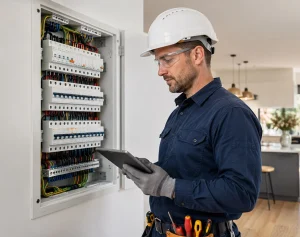
- Checking the existing electrical panel
- Planning the charger location
- Installing the required circuit and wiring
- Determining whether additional electrical work is needed
The U.S. Department of Energy recommends checking with an electrical contractor and utility when planning home charging, particularly when an electrical service upgrade may be required.
JSpark Electric helps Lancaster homeowners understand the electrical requirements before installation so the charger can be planned around the existing property.
Does Your Home Have Enough Electrical Capacity for an EV Charger Installation?
One of the first questions to consider before installing an EV charger is whether the home’s existing electrical system can handle the additional load. A panel may have an available breaker space, but that does not automatically mean there is enough overall electrical capacity for a new charger.
The existing service rating, current electrical loads, panel condition, and charger requirements all matter. A home that already uses several major electrical appliances may have different requirements from a home with lower electrical demand.
Level 2 chargers can require substantially more electrical capacity than ordinary household devices. Because charging may continue for several hours, the circuit and electrical service need to be planned appropriately for the selected equipment.
JSpark Electric can evaluate the electrical setup and explain whether the existing system appears suitable for the planned charger or whether additional electrical work should be considered.
Choosing Between Level 1 and Level 2 EV Charging Stations Near Me
Level 1 charging can use a standard household connection and may be suitable for drivers with lower daily mileage or longer charging periods. It usually requires less electrical work because it operates from a standard outlet.
Level 2 charging can provide faster charging and is commonly considered by homeowners who want a dedicated home charging setup. It requires appropriate electrical equipment, wiring, and circuit protection. The vehicle manufacturer can also provide guidance on compatible charging equipment.
The best option depends on how often you drive, how quickly you want to recharge, the vehicle you own, and the electrical system at your property.
JSpark Electric can help homeowners understand the electrical side of the installation so the selected charging option works with the property’s available electrical service.
Where Should Your EV Charger Be Installed in Lancaster, CA?
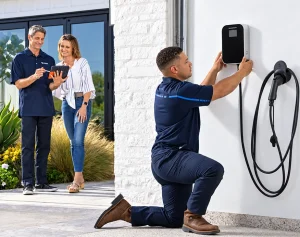
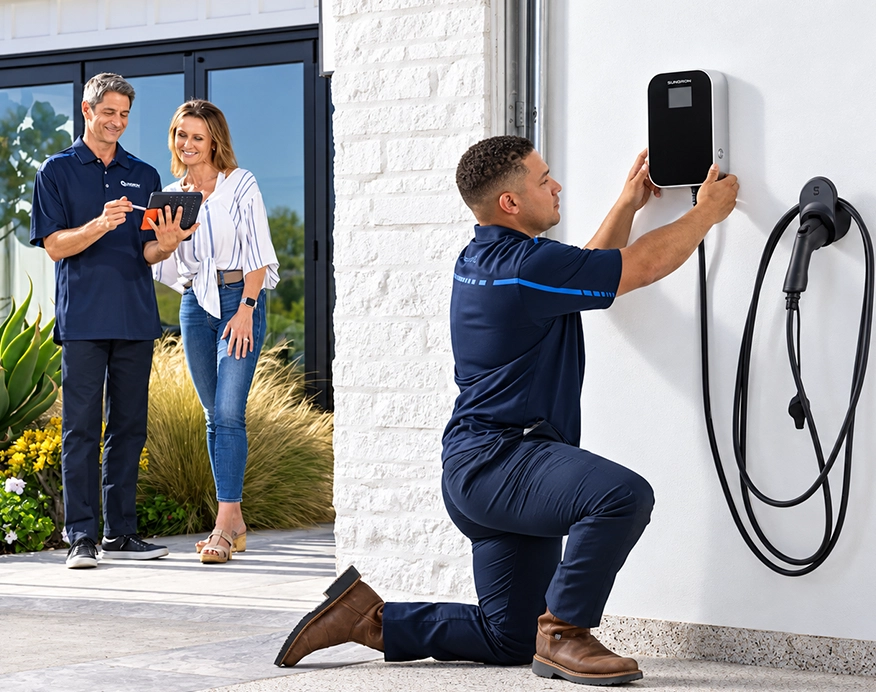
The charger location should be practical for your vehicle and electrical system. Many homeowners choose a garage because it keeps the charger close to where the vehicle is parked. However, outdoor installations may also be possible when the selected equipment and installation location are suitable.
The distance between the electrical panel and charger can affect the installation because wiring needs to run between the electrical equipment and charging unit. The route should be planned carefully, particularly when the charger is located far from the main panel.
The charging cable should also be positioned so it does not create an unnecessary trip hazard or interfere with normal movement around the vehicle. The Department of Energy recommends considering charger placement, accessibility, and cable positioning during installation.
JSpark Electric helps Lancaster homeowners consider the charger location and electrical connection before installation begins.
When Does an EV Charger Installation Need More Electrical Work?
Some homes may need additional electrical work before an EV charger can be installed. This can happen when the existing service does not have enough capacity, when the panel has limited space, or when the planned charger requires electrical changes that the current setup cannot support.
A service or panel upgrade is not automatically required for every EV charger installation. The existing electrical system should be assessed based on the property’s current load and the requirements of the charger.
The Department of Energy’s EV planning guidance considers factors such as service panel capacity, existing peak load, charger power requirements, wiring, and the location of electrical equipment.
If additional electrical work is needed, planning it before the charger is installed can help avoid installing equipment that the existing system cannot properly support.
Electrical Safety Matters During EV Charger Installation
An EV charger is part of the property’s electrical system, so the installation should be handled as electrical work rather than treated like a simple appliance connection. Charging equipment should be installed according to applicable electrical requirements and manufacturer instructions.
The U.S. Department of Energy notes that home EV charger installations commonly involve a licensed electrical contractor and may require permits or inspections depending on the installation and local requirements.
The charger itself should also be suitable for the location where it will be installed. Outdoor equipment needs to be appropriate for outdoor use, while the charging cable and equipment should be positioned to reduce the chance of damage or tripping.
JSpark Electric provides EV charger installation in Lancaster, CA with attention to the electrical requirements of the property and the selected charging equipment.
What Homeowners Should Prepare Before EV Charger Installation
Before contacting an electrician, it can help to know the make and model of your vehicle, the charger you are considering, where you want to park while charging, and whether you plan to charge mostly overnight or throughout the day.
You should also mention any electrical issues you have noticed. Frequent breaker trips, flickering lights, an older panel, or limited breaker space may be relevant when evaluating the installation.
If you already have information about your electrical panel or service rating, providing it can also help with the initial discussion. However, homeowners should not assume that an available breaker space means the system is ready for an EV charger.
JSpark Electric can review the electrical requirements and explain the next step for your Lancaster property before installation work begins.
Scenario-Based Questions EV Owners Ask About EV Chargers Near Me
I Just Bought an Electric Vehicle—Can I Install an EV Charger in My Garage?
Possibly. The garage location may work well, but the electrical system should be checked first. The charger type, available electrical capacity, panel location, wiring route, and vehicle requirements all need to be considered before installation.
My Panel Is Far From My Garage—Is That a Problem for EV Charger Installation?
It does not automatically prevent installation. However, the distance and wiring route can affect the work required. An electrician can review the property and determine how the charger can be connected to the electrical system.
Can I Use an Existing Outlet for My EV Charger Installation?
It depends on the charger and the electrical circuit. Some Level 1 charging uses a standard household outlet, while Level 2 charging typically requires dedicated electrical equipment. The outlet and circuit should be checked before using them for vehicle charging.
What If My Panel Lacks Capacity? Electrical Panel Upgrade Services Lancaster CA
Additional electrical work may be needed. Depending on the property, this could involve changes to the circuit, panel, or electrical service. The appropriate option should be determined after reviewing the existing system and proposed charger requirements.
Can I Install My EV Charger Outside Instead of in My Garage?
Outdoor installation may be possible when the charging equipment is rated and installed for outdoor use. The location should also provide safe access to the vehicle and keep the charging cable from creating avoidable hazards.